Tuesday, January 12, 2010
InnerSea Discoveries will focus on the Alaskan Wilderness, eschewing traditional port calls. Slated to debut in 2011, the new brand will target the adventure travelers.
InnerSea will take passengers on wild-life and wilderness-focused itineraries through Alaska's Inside Passage on the 80 passenger Wilderness Discoverer and 60 passenger Wilderness Adventurer. The ships will offer two, seven day itineraries between Ketchikan and Juneau, but they won't stop in any ports along the way. Instead, they will spend the cruise sailing through fjords, around glaciers and through the Islands and Coastal cruising areas of Southeast Alaska.
The itineraries will take passengers on Zodiacs to explore glaciers and wildlife up close and will make landings to take guided hikes through remote areas, speluking trips and kayak excursions. The ships will also carry their own fully equipped fishing boats. They're reaching into areas that other small ships don't even go into.
Written by C Kennedy
kennedy@atlastravelweb.com
Sunday, August 30, 2009
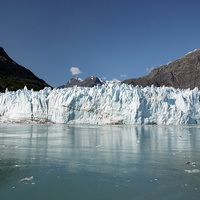
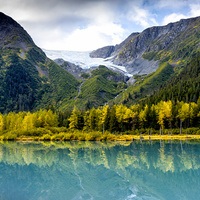
Ever wonder why glacier ice looks blue?
This is because of how the sunlight passes through the ice and what happensto the sunlight. Sunlight looks white; however, the light is really made up of all the colors of the rainbow. You may recall seeing this when using a prism in middle school science classes. Each of the sun's colors have different wavelengths, or amounts of energy in them. When the sunlight tries to go through the solid glacier ice crystals the sun gets broken up into lots of colors. Red and yellow have very little energy and the thick ice soaks up the red light more than it soaks up the blue light. The blue light has enough extra energy to get away from the solid ice crystals without getting absorbed or soaked up. This is why the only color people see is the blue color that escaped.
Best Glaciers of Alaska:
Saturday, August 22, 2009
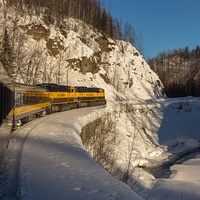
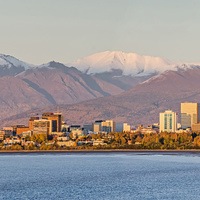
Anchorage is Alaska’s largest city and home to approximately fifty percent of the entire population of the state. The city is situated on a triangular peninsula bordered on the east by the rugged Chugach Mountains, on the northwest by the Knik Arm, and on the southwest by the Turnagain Arm. Anchorage can trace its origins to the railroads, as it began as a tent city in 1915 for construction workers on the Alaska Railroad. In its first year, Anchorage grew to a population of 2,000; most of them railroad workers. By 1920, the townsite became incorporated and future growth came in spurts punctuated by farming in the 1930s and military build-ups in the late 1940s. The discovery of oil from the 1960s to the 1980s gave rise to Anchorage as we know it today. Suffering extensive damage during the earthquake in 1964, the city was rebuilt and is the focal point of Alaskan business and social life now. Blessed with the surrounding natural beauty, Anchorage is a modern city on the edge of the old frontier.
Saturday, June 27, 2009

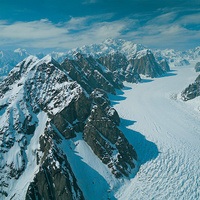
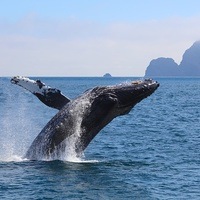
You never forget them — the vivid impressions from your first visit to Alaska. A 10-story crystal-blue river of ice in Glacier Bay National Park, icebergs calving into the tidewater with a thunderous crack. The spectacular and untamed wildlife, from a nesting eagle high in a Sitka spruce to a family of brown bears foraging along a rocky beach. Your first glimpse of the soaring, silent magnificence of Mt. McKinley. It’s everything you ever imagined — and all you traveled so far to see. This is one of life’s greatest adventures. One you’ll want to plan carefully so you don’t miss a thing.
| Subscribe to this blog: Posts | Comments |
Sign up to receive the latest news and specials from us about Alaska and other escorted tour destinations.